Here is the first of some periodic updates about the current roadmap for JUCE.
All of the information here is subject to change. The majority of the JUCE team's time is spent keeping the framework compatible with all of the latest operating systems, compilers and toolchains, C++ standards, plug-in formats and DAWs, as well as addressing feedback and bug reports. We will continue doing all of that for JUCE 8, and will also include some smaller feature requests, but here is a summary of the more substantial bits of work we have planned for the current and next major versions of JUCE.
In progress
JUCE 8 already includes a lot of the underlying infrastructure required to communicate with MIDI 2.0 devices. We anticipate full support for MIDI 2.0 devices will arrive in mainstream Windows releases this year and we will have a JUCE wrapper available for all platforms.


In progress
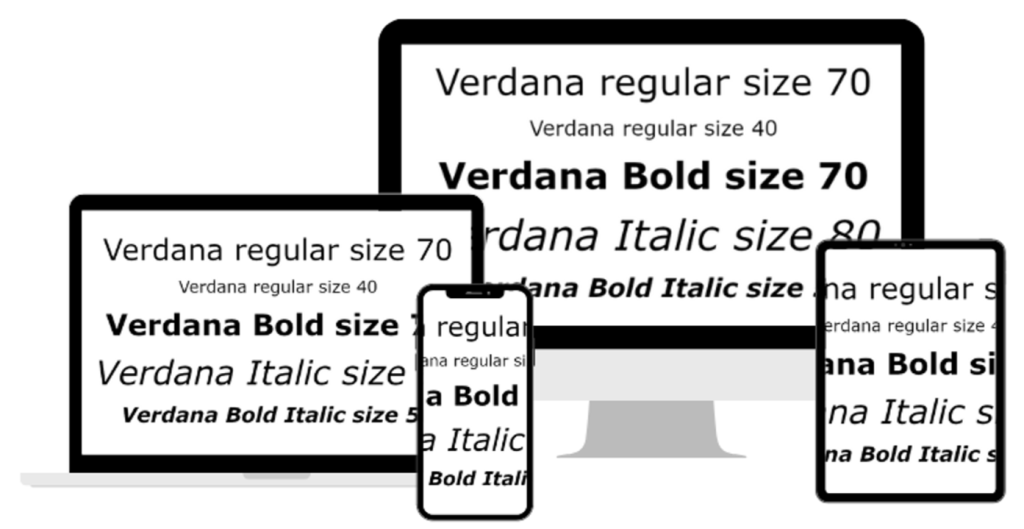
A complete overhaul of how text is rendered was one of the biggest JUCE 8 features. We're going to use all of the new functionality to revamp JUCE's TextEditor class, which will then complete our Unicode support.
In progress
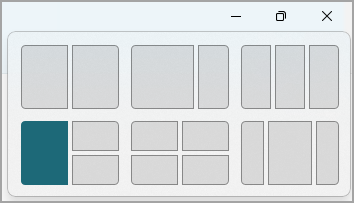
Support for Windows 11 snap layouts is coming. Snap layouts are accessed by hovering the mouse over a window's maximize button to bring up a set of options for positioning that window in relation to others.
CLAP is a new open source, permissively licensed, standard for audio plug-ins and hosts. JUCE 9 will add the ability to author CLAP plug-ins directly alongside all of the other plug-in formats available to JUCE users.


Once we reach an industry consensus about how MIDI 2.0 will be handled by plug-in formats and DAWs we will expose this new functionality within JUCE's AudioProcessor class. This may also give us a chance to introduce both reading and writing sample accurate automation when processing blocks of audio.
It's time to disentangle JUCE's Drawable class (which wraps SVG) from JUCE Components. At the moment working with any SVG data requires that you pull in the juce_gui_basics module, which is a substantially heavier dependency than just juce_graphics, and this slows down the compilation of helper executables required to build via CMake. We will also use this opportunity to evaluate a third-party SVG parsing library to bring our SVG compliance up to date.

We want to showcase all of the community projects providing JUCE modules or tooling and provide a marketplace where these projects can be discovered and incorporated into your software.

